

We’ve been told the backlog is how we steer.
How we prioritise.
How we plan.
So we invest hours — maybe days — maintaining it:
- Refinement sessions
- Estimation rituals (battles?)
- Prioritisation debates
- Acceptance criteria roulette
There is an uncomfortable truth lurking here:
Most backlog management isn’t strategic. It’s organisational procrastination.
It feels like control.
But it’s actually delay dressed up in process.
This post is a call to rethink the backlog.
To see it not as your product’s brain…
… and start seeing it for what it really is:
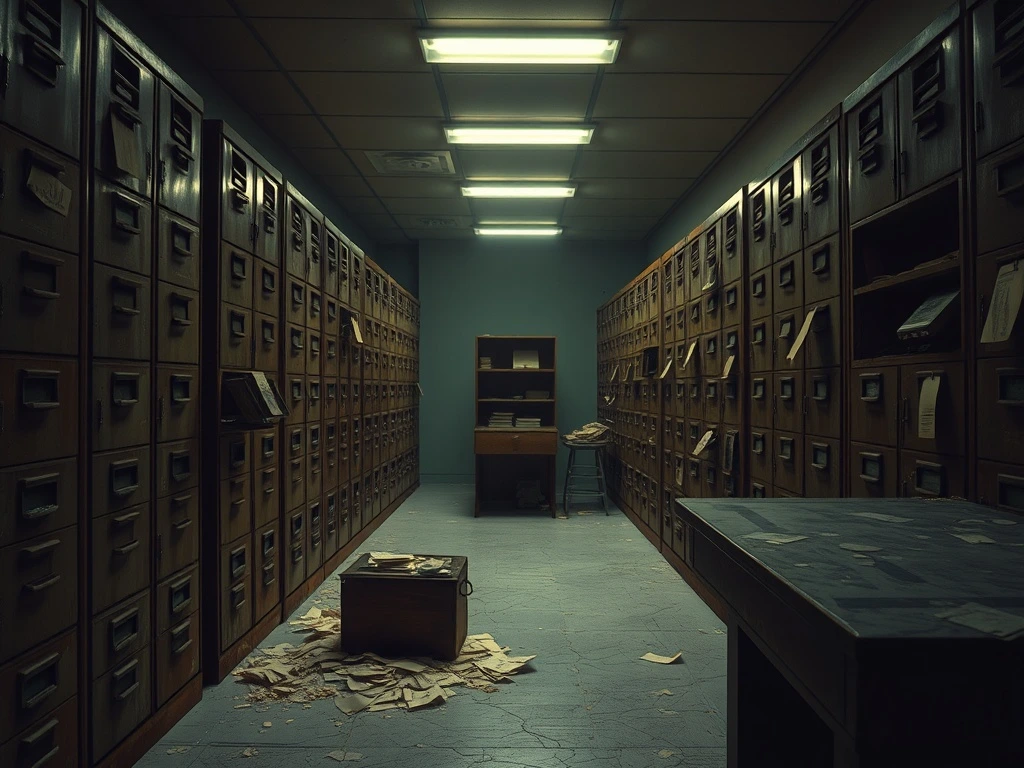
A storage unit — full of maybes, misfires, promises in progress and huge mental overhead.
Let’s break down why backlog management is dangerous — and what to do instead.
1. The False Sense of Control
A neat backlog gives the illusion that we’re managing the work.
It looks sorted, stack-ranked, and ready to go.
That insight from the sales team from last week? It’s in there — ready to help them close that deal. The CIO’s new big idea? Same. Captured. Broken down. Refined. Ready to go.
But here’s the problem:
It’s just a long list of possible maybees. Potentially valuable — but not a strategy.
We aren’t actually reducing risk.
At best, we’re organising it.
At worst, we’re just shuffling it around.
Backlog refinement feels productive, collaborative and reassuring.
But clarity isn’t the same as progress.
And while the team tidies, the world moves on.
The longer something sits in the backlog, the more stale it becomes.
You’re not refining.
You’re refrigerating.
And sooner or later, that work will rot.
2. WIP by Proxy
Backlogs don’t just hold ideas.
They hold psychological WIP — every item on the list is something your team thinks they might have to do.
That’s cognitive load.
The kind that sits quietly in the background, eating up the team’s decision-making energy.
And cognitive load drains focus.
Every “not now” is still a mental “maybe later.”
And “maybe laters” pile up until your team’s sense of focus collapses.
You’re not managing scope. You’re managing speculation.
And that speculation clutters decision-making when it matters most.
3. Prioritisation Theatre
Here’s the killer…
We spend hours deciding where a “maybe” sits on a list of “maybes”.
Backlog refinement often turns into a performance of prioritisation —
where we carefully rank:
- Items no one understands yet
- Features without a customer need or a qualified business value
- Work that might never ship
- New items against those so stale no one even remembers what they meant — or why they mattered
All ranked neatly against each other, as if that makes it valuable.
But here’s the truth:
You don’t need to prioritise things you’re not going to build.
But prioritisation only matters when you’re actually going to do the work.
Everything else?
It’s debate for the illusion of control.
You don’t need to prioritise it.
4. Signal Decay
The older an item gets, the less relevant it becomes.
That “brilliant idea” from seven months ago?
The customer context has changed.
The business has shifted.
The insight has aged out of all usefulness.
But the backlog doesn’t know that.
It just holds the item. Quietly. Like an idea graveyard.
So often, backlogs become monuments to:
- Old promises made
- Political compromises struck
- Ideas long past their use-by date
And zombie items?
They come back to life — not because they’re right, but because they’re still there.
5. Strategic Drift
A healthy backlog reflects current intent.
A bloated one reflects past optimism.
When you hold onto too many stale items, your backlog stops being a tool for focus and becomes a list of what you used to care about, not what matters now.
The backlog becomes a lagging indicator:
- Of strategies never executed,
- Of assumptions never validated
- Of priorities already surpassed by new learning (hopefully)
Not a tool for steering, but a record of inertia.
And that disconnect?
It quietly misaligns and undermines your team, your focus, and your outcomes.
A Better Approach
If you stop treating the backlog like a to-do list, you can start treating it like what it really is:
A set of options. Not obligations.
That mindset shift is everything.
It means:
- You don’t need to keep everything
- You don’t need to rank everything
- You shouldn’t feel guilty about deleting old ideas
Because ideas aren’t valuable by default.
They are valuable when they are timely, validated, and actionable, and when they lead to outcomes that the user and the business care about.
So what do you do instead?
- Use expiry dates. If you haven’t touched an item in 90 days, ask why it’s still there.
- Practice backlog amnesty. Every quarter, clean house. Let go of work you’re not going to start soon.
- Prioritise only what’s real. Spend your decision-making energy where it counts — the next batch of work, not the fantasy road ahead.
My Answer: The Backlog Funeral
Want to make this shift stick?
Hold a backlog funeral:
- Once a quarter, gather the team.
- Delete anything untouched in 90 days. No debates. No defences. Just a ceremonial goodbye.
- Celebrate it.
Because every item you delete isn’t wasted effort,
it’s reclaimed focus.
You don’t need a roadmap full of ghosts and ghouls.
You need a system that helps you choose what matters now, not someday.
Final Thought
Backlog management isn’t strategy.
It’s often just highly structured procrastination.
What matters isn’t how many items you’ve groomed, it’s:
- How clearly you choose
- How quickly you learn, and
- How lightly your system carries what comes next
So, if your backlog feels out of control?
Don’t refine harder.
Cut deeper. Choose sooner. Learn faster.
That’s real backlog management.